
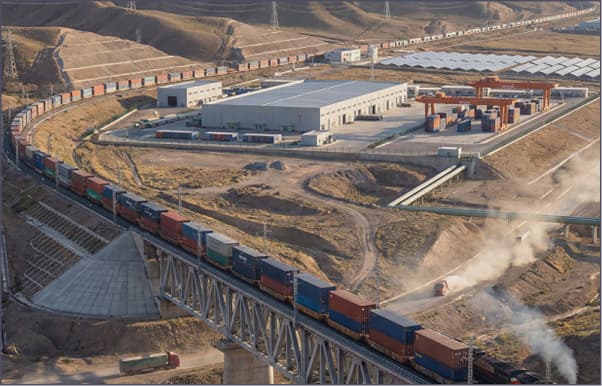
New Cross-Border Partnerships Strengthen Market Entry Pathways
Historically, entering a new regional market to secure raw materials, rare earth elements, or critical industrial components meant navigating an opaque, fragmented web of localized regulations, volatile municipal policies, under-developed logistical networks, and distinct, often conflicting compliance standards. For many enterprise-level buyers, the transactional friction costs alone—ranging from prolonged legal vetting to multi-month customs bottlenecks—delayed time-to-market to a degree that destroyed the initial economic viability of the venture. As highlighted in the operational directives visible in Screenshot 2026-06-11 at 12.42.19.jpg, the focus of leading industrial strategists has fundamentally shifted away from ad-hoc spot purchasing toward deeply integrated, multi-national corridors. These modern partnerships are not merely transactional trade agreements signed on paper; they are living, joint operational frameworks that integrate three core systemic pillars:
1. Shared Regulatory Compliance and Harmonization
One of the most persistent bottlenecks in international procurement is the administrative drag associated with cross-border customs declarations, environmental impact metrics, and resource origin verifications. When two or more nations or regional authorities align their compliance protocols, it eliminates the administrative redundancy that typically stalls cargo at border checkpoints. This involves the mutual recognition of testing standards, unified environmental, social, and governance (ESG) reporting criteria, and pre-vetted legal frameworks that protect both the investor and the host territory.
2. Co-Developed and Interlocking Logistics Infrastructure
A trade agreement is only as fast as the physical infrastructure supporting it. Modern cross-border partnerships are increasingly characterized by joint capital allocation into physical assets that cross national lines seamlessly. This includes the synchronized construction of high-capacity rail spurs, automated dry ports, localized processing plants, and multi-modal transport hubs. By designing these assets with interlocking technical specifications—such as standardized rail gauges, unified digital tracking systems, and matched cargo capacities—the partnering entities eliminate the physical frictions that historically bottlenecked international trade routes.
3. Structural Data Interoperability
In an era where supply chain visibility is paramount, physical integration must be matched by digital integration. Modern market entry pathways leverage unified digital ledgers, cloud-based logistics architectures, and real-time IoT tracking to monitor resource origins, transit milestones, and carbon footprints across every link of the chain. This high-fidelity data flow allows all stakeholders—from extraction site operators to downstream manufacturing executives—to maintain a single, unalterable source of truth regarding the velocity and compliance status of their inventory. When domestic asset owners partner directly with international procurement networks under this three-pronged approach, the market entry pathway transitions from a high-barrier, high-risk gamble into a streamlined, predictable, and highly scalable pipeline.